-
1C
-
Agda
-
Agile/Scrum
-
Alef
-
APL
-
Assembler
-
AWK
-
Basic
-
Beta Programming Language
-
Big Data/DataScience
-
C
-
C#
-
C++
-
Cobol
-
Crystal
-
CSS
-
D
-
Dart
-
DataBase (SQL)
-
Delphi
-
F#
-
Flutter
-
Fortran
-
GameDev
-
Git
-
Go (Golang)
-
GPT/AI/ИИ
-
Hacking and Security
-
Haskell
-
HTML
-
Java
-
JavaScript (JS)
-
Julia
-
Kotlin
-
Machine Learning (ML)
-
Natural language processing (NLP)
-
.NET (.NET Core)
-
Pascal
-
PHP
-
Python
-
R
-
Ruby
-
Rust
-
Scratch
-
Swift
-
UML
-
UX/UI
-
Visual Basic
-
Wolfram
-
XML
-
АСУ
-
Проектирование/System Design
-
Сети/Network
-
Статьи
-
Схемотехника/электронные схемы
-
1C
-
Agda
-
Agile/Scrum
-
Alef
-
APL
-
Assembler
-
AWK
-
Basic
-
Beta Programming Language
-
Big Data/DataScience
-
C
-
C#
-
C++
-
Cobol
-
Crystal
-
CSS
-
D
-
Dart
-
DataBase (SQL)
-
Delphi
-
F#
-
Flutter
-
Fortran
-
GameDev
-
Git
-
Go (Golang)
-
GPT/AI/ИИ
-
Hacking and Security
-
Haskell
-
HTML
-
Java
-
JavaScript (JS)
-
Julia
-
Kotlin
-
Machine Learning (ML)
-
Natural language processing (NLP)
-
.NET (.NET Core)
-
Pascal
-
PHP
-
Python
-
R
-
Ruby
-
Rust
-
Scratch
-
Swift
-
UML
-
UX/UI
-
Visual Basic
-
Wolfram
-
XML
-
АСУ
-
Проектирование/System Design
-
Сети/Network
-
Статьи
-
Схемотехника/электронные схемы
Меню
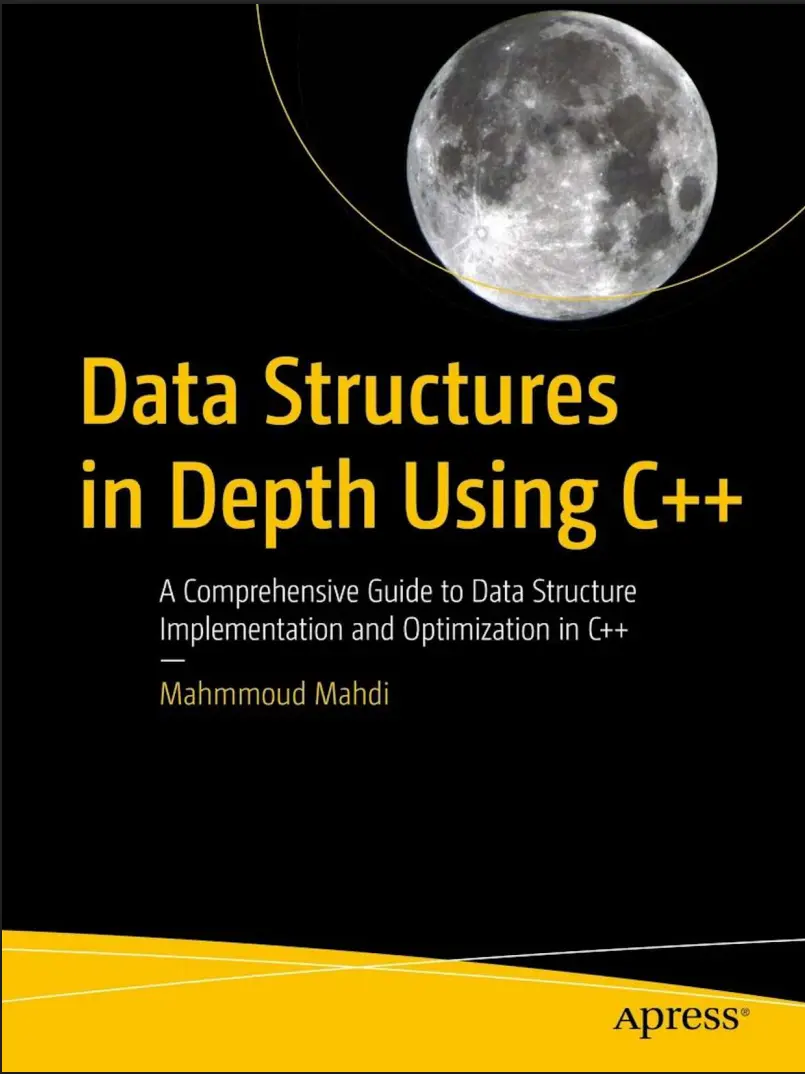
Data Structures in Depth Using C++: A Comprehensive Guide to Data Structure Implementation and Optimization in C++
Автор: Mahdi Mahmmoud A.
Дата выхода: 2025
Издательство: Apress Media, LLC.
Количество страниц: 374
Размер файла: 5,6 МБ
Тип файла: PDF
Добавил: codelibs
Проверить на вирусыAbout the Author . . . . . . . . . . . . . . . . . . . . . . . . . . . . . . . . . . . . . . . . . xv
About the Technical Reviewer . . . . . . . . . . . . . . . . . . . . . . . . xvii
Acknowledgments . . . . . . . . . . . . . . . . . . . . . . . . . . . . . . . . . . . . . . . xix
Introduction . . . . . . . . . . . . . . . . . . . . . . . . . . . . . . . . . . . . . . . . . . . . . . xxi
Acronyms . . . . . . . . . . . . . . . . . . . . . . . . . . . . . . . . . . . . . . . . . . . . . . . . xxv
1 Introduction . . . . . . . . . . . . . . . . . . . . . . . . . . . . . . . . . . . . . . . . . . . . . . . ....1
1.1 Introduction....2
1.1.1 What Are Data Structures and Algorithms? . . . . . . . . . . . . . . . . . . . . . . . . . ....2
1.1.2 Interplay Between Data Structures and Algorithms . . . . . . . . . . . . . . . . . . . ....2
1.1.3 The Significance of Data Structures . . . . . . . . . . . . . . . . . . . . . . . . . . . . . . . . ....3
1.1.4 Selecting the Appropriate Data Structure . . . . . . . . . . . . . . . . . . . . . . . . . . ....4
1.2 Types of Data Structures....5
1.3 Fundamentals of Algorithms....6
1.3.1 Distinguishing Programming and Algorithmic Problems . . . . . . . . . . . . . . . ....6
1.3.2 Algorithm Design Strategies . . . . . . . . . . . . . . . . . . . . . . . . . . . . . . . . . . . . . . ....7
1.3.3 Common Algorithmic Problem Types . . . . . . . . . . . . . . . . . . . . . . . . . . . . . . ....8
1.4 Analyzing Algorithm Efficiency....8
1.4.1 Understanding Algorithm Analysis . . . . . . . . . . . . . . . . . . . . . . . . . . . . . . . . . ....8
1.4.2 Evaluating Algorithms . . . . . . . . . . . . . . . . . . . . . . . . . . . . . . . . . . . . . . . . . . . . ....9
1.4.3 Analyzing Time Efficiency . . . . . . . . . . . . . . . . . . . . . . . . . . . . . . . . . . . . . . . . ....9
1.4.4 Understanding Growth Orders . . . . . . . . . . . . . . . . . . . . . . . . . . . . . . . . . . . . ....9
1.4.5 Evaluating Algorithm Performance . . . . . . . . . . . . . . . . . . . . . . . . . . . . . . . ....10
1.4.6 Asymptotic Growth Orders . . . . . . . . . . . . . . . . . . . . . . . . . . . . . . . . . . . . . . ....10
1.5 Summary....11
Problems....11
2 Primary Building Blocks . . . . . . . . . . . . . . . . . . . . . . . . . . . . . . . . ....15
2.1 Principles of Software Design....16
2.2 Data Structure Interfaces....16
2.2.1 Benefits of Using Interfaces . . . . . . . . . . . . . . . . . . . . . . . . . . . . . . . . . . . . . . ....16
2.2.2 Interface vs. Implementation . . . . . . . . . . . . . . . . . . . . . . . . . . . . . . . . . . . . ....17
2.2.3 Interface Example . . . . . . . . . . . . . . . . . . . . . . . . . . . . . . . . . . . . . . . . . . . . . ....18
2.3 Templates....19
2.3.1 Templates and Type Abstraction . . . . . . . . . . . . . . . . . . . . . . . . . . . . . . . . . ....19
2.3.2 Template Usage in Practical Scenarios . . . . . . . . . . . . . . . . . . . . . . . . . . . . ....19
2.3.3 Templates in Interface Design . . . . . . . . . . . . . . . . . . . . . . . . . . . . . . . . . . . ....20
2.3.4 Considerations and Best Practices . . . . . . . . . . . . . . . . . . . . . . . . . . . . . . . . ....20
2.4 Core Data Structure and Interfaces....21
2.4.1 List Data Structure . . . . . . . . . . . . . . . . . . . . . . . . . . . . . . . . . . . . . . . . . . . . . . ....21
2.4.2 Sets Data Structure . . . . . . . . . . . . . . . . . . . . . . . . . . . . . . . . . . . . . . . . . . . . . ....24
2.5 Advanced Data Structure Interfaces....26
2.5.1 Tree Data Structure . . . . . . . . . . . . . . . . . . . . . . . . . . . . . . . . . . . . . . . . . . . . . ....26
2.6 Summary....30
Problems....31
3 Arrays and Dynamic Arrays . . . . . . . . . . . . . . . . . . . . . . . . . . . . ....33
3.1 Arrays and Pointers....34
3.1.1 Arrays . . . . . . . . . . . . . . . . . . . . . . . . . . . . . . . . . . . . . . . . . . . . . . . . . . . . . . . . ....34
3.1.2 Pointers to Arrays . . . . . . . . . . . . . . . . . . . . . . . . . . . . . . . . . . . . . . . . . . . . . . . ....36
3.1.3 Stack vs. Heap Arrays . . . . . . . . . . . . . . . . . . . . . . . . . . . . . . . . . . . . . . . . . . . ....36
3.1.4 Performance Analysis . . . . . . . . . . . . . . . . . . . . . . . . . . . . . . . . . . . . . . . . . . . ....37
3.1.5 Advantages and Limitations . . . . . . . . . . . . . . . . . . . . . . . . . . . . . . . . . . . . . ....40
3.2 Dynamic Arrays....41
3.2.1 Resizable Array . . . . . . . . . . . . . . . . . . . . . . . . . . . . . . . . . . . . . . . . . . . . . . . . ....41
3.2.2 Advantages and Limitations . . . . . . . . . . . . . . . . . . . . . . . . . . . . . . . . . . . . . ....41
3.2.3 Dynamic Array Implementation . . . . . . . . . . . . . . . . . . . . . . . . . . . . . . . . . . ....42
3.2.4 Resizing Operation . . . . . . . . . . . . . . . . . . . . . . . . . . . . . . . . . . . . . . . . . . . . . ....47
3.3 Optimization....48
3.3.1 An Optimized Copy . . . . . . . . . . . . . . . . . . . . . . . . . . . . . . . . . . . . . . . . . . . . ....48
3.3.2 Optimized Dynamic Array Operations . . . . . . . . . . . . . . . . . . . . . . . . . . . . . ....48
3.4 Summary....50
Problems....50
4 Linked List . . . . . . . . . . . . . . . . . . . . . . . . . . . . . . . . . . . . . . . . . . . . . . . . . ....57
4.1 Introduction to Linked Pointers....58
4.1.1 Pointers to Objects . . . . . . . . . . . . . . . . . . . . . . . . . . . . . . . . . . . . . . . . . . . . . ....58
4.1.2 Creating Linked Objects . . . . . . . . . . . . . . . . . . . . . . . . . . . . . . . . . . . . . . . . ....60
4.1.3 Memory Management . . . . . . . . . . . . . . . . . . . . . . . . . . . . . . . . . . . . . . . . . ....62
4.1.4 Why Pointers Matter in Linked Lists . . . . . . . . . . . . . . . . . . . . . . . . . . . . . . . . ....63
4.2 A Singly-Linked List (SLList)....63
4.2.1 Anatomy of a Singly-Linked List . . . . . . . . . . . . . . . . . . . . . . . . . . . . . . . . . . . ....63
4.2.2 Creating a Singly-Linked List Without Tail . . . . . . . . . . . . . . . . . . . . . . . . . . . ....64
4.2.3 Creating a Singly-Linked List with a Tail . . . . . . . . . . . . . . . . . . . . . . . . . . . . ....71
4.2.4 Accessing Elements . . . . . . . . . . . . . . . . . . . . . . . . . . . . . . . . . . . . . . . . . . . . ....78
4.2.5 Traversing . . . . . . . . . . . . . . . . . . . . . . . . . . . . . . . . . . . . . . . . . . . . . . . . . . . . . ....79
4.3 A Doubly-Linked List (DLList)....80
4.3.1 Anatomy of a Doubly-Linked List . . . . . . . . . . . . . . . . . . . . . . . . . . . . . . . . . ....80
4.3.2 A Circular Doubly-Linked List with Dummy Node . . . . . . . . . . . . . . . . . . . . ....80
4.3.3 Implementing Operations . . . . . . . . . . . . . . . . . . . . . . . . . . . . . . . . . . . . . . . ....82
4.3.4 Insert and Remove . . . . . . . . . . . . . . . . . . . . . . . . . . . . . . . . . . . . . . . . . . . . . ....85
4.3.5 Accessing Elements . . . . . . . . . . . . . . . . . . . . . . . . . . . . . . . . . . . . . . . . . . . . ....89
4.3.6 Traversing . . . . . . . . . . . . . . . . . . . . . . . . . . . . . . . . . . . . . . . . . . . . . . . . . . . . . ....89
4.4 Performance Analysis....90
4.4.1 Linked Lists vs. Arrays . . . . . . . . . . . . . . . . . . . . . . . . . . . . . . . . . . . . . . . . . . . ....90
4.4.2 Linked List Performance Comparison . . . . . . . . . . . . . . . . . . . . . . . . . . . . . ....91
4.4.3 Best Practices and Common Use Cases . . . . . . . . . . . . . . . . . . . . . . . . . . . ....92
4.5 Summary....93
Problems....95
5 Stack and Queue . . . . . . . . . . . . . . . . . . . . . . . . . . . . . . . . . . . . . . . . ....99
5.1 Stack....100
5.1.1 Introduction to Stack . . . . . . . . . . . . . . . . . . . . . . . . . . . . . . . . . . . . . . . . . . ....100
5.1.2 Array-Based Stack . . . . . . . . . . . . . . . . . . . . . . . . . . . . . . . . . . . . . . . . . . . . ....100
5.1.3 Linked List Stack . . . . . . . . . . . . . . . . . . . . . . . . . . . . . . . . . . . . . . . . . . . . . . ....102
5.2 Queue (Single-Ended Queue)....103
5.2.1 Introduction to Queue . . . . . . . . . . . . . . . . . . . . . . . . . . . . . . . . . . . . . . . . . ....103
5.2.2 Array-Based Queue . . . . . . . . . . . . . . . . . . . . . . . . . . . . . . . . . . . . . . . . . . . ....103
5.2.3 Linked List Queue . . . . . . . . . . . . . . . . . . . . . . . . . . . . . . . . . . . . . . . . . . . . . ....113
5.3 Deque (Double-Ended Queue)....114
5.3.1 Introduction to Deque . . . . . . . . . . . . . . . . . . . . . . . . . . . . . . . . . . . . . . . . . ....114
5.3.2 Array-Based Deque . . . . . . . . . . . . . . . . . . . . . . . . . . . . . . . . . . . . . . . . . . . ....115
5.3.3 Linked List Deque . . . . . . . . . . . . . . . . . . . . . . . . . . . . . . . . . . . . . . . . . . . . . ....119
5.4 Performance Analysis....121
5.4.1 Stack Performance Analysis . . . . . . . . . . . . . . . . . . . . . . . . . . . . . . . . . . . . ....121
5.4.2 Queue Performance Analysis . . . . . . . . . . . . . . . . . . . . . . . . . . . . . . . . . . . ....121
5.4.3 Deque Performance Analysis . . . . . . . . . . . . . . . . . . . . . . . . . . . . . . . . . . . ....121
5.4.4 Choosing the Right Data Structure . . . . . . . . . . . . . . . . . . . . . . . . . . . . . . ....121
5.5 Summary....122
Problems....122
6 Hash Tables . . . . . . . . . . . . . . . . . . . . . . . . . . . . . . . . . . . . . . . . . . . . . ....129
6.1 Hashing Introduction....130
6.1.1 Array vs. Linked List . . . . . . . . . . . . . . . . . . . . . . . . . . . . . . . . . . . . . . . . . . . . ....130
6.1.2 Introducing Hash Tables . . . . . . . . . . . . . . . . . . . . . . . . . . . . . . . . . . . . . . . . ....130
6.1.3 Applications of Hashing . . . . . . . . . . . . . . . . . . . . . . . . . . . . . . . . . . . . . . . . ....131
6.1.4 Usage Example: Management and Analysis of Access Logs . . . . . . . . ....131
6.2 Hash Functions....133
6.2.1 Use of Hash Functions . . . . . . . . . . . . . . . . . . . . . . . . . . . . . . . . . . . . . . . . . . ....133
6.2.2 Multiplicative Hash Function . . . . . . . . . . . . . . . . . . . . . . . . . . . . . . . . . . . . ....133
6.2.3 Generating Hash Codes for Various Data Types . . . . . . . . . . . . . . . . . . . ....135
6.2.4 Collisions . . . . . . . . . . . . . . . . . . . . . . . . . . . . . . . . . . . . . . . . . . . . . . . . . . . . . ....139
6.3 Hash Table Techniques....140
6.3.1 Chaining . . . . . . . . . . . . . . . . . . . . . . . . . . . . . . . . . . . . . . . . . . . . . . . . . . . . . ....140
6.3.2 Open Addressing . . . . . . . . . . . . . . . . . . . . . . . . . . . . . . . . . . . . . . . . . . . . . ....141
6.3.3 Performance Analysis . . . . . . . . . . . . . . . . . . . . . . . . . . . . . . . . . . . . . . . . . . ....144
6.4 Hash Table Implementation....147
6.4.1 Chaining . . . . . . . . . . . . . . . . . . . . . . . . . . . . . . . . . . . . . . . . . . . . . . . . . . . . . ....147
6.4.2 Linear Probing . . . . . . . . . . . . . . . . . . . . . . . . . . . . . . . . . . . . . . . . . . . . . . . . ....150
6.4.3 Hash Table Performance Comparison . . . . . . . . . . . . . . . . . . . . . . . . . . . ....158
6.5 Summary....159
Problems....159
7 Trees . . . . . . . . . . . . . . . . . . . . . . . . . . . . . . . . . . . . . . . . . . . . . . . . . . . . . ....165
7.1 Binary Trees....166
7.1.1 Introduction to Binary Trees . . . . . . . . . . . . . . . . . . . . . . . . . . . . . . . . . . . . . ....166
7.1.2 Properties of Binary Trees . . . . . . . . . . . . . . . . . . . . . . . . . . . . . . . . . . . . . . . ....166
7.1.3 Types of Binary Trees . . . . . . . . . . . . . . . . . . . . . . . . . . . . . . . . . . . . . . . . . . . ....166
7.1.4 Representation of Binary Trees . . . . . . . . . . . . . . . . . . . . . . . . . . . . . . . . . . ....168
7.1.5 Computing Size, Height, and Depth . . . . . . . . . . . . . . . . . . . . . . . . . . . . . ....171
7.1.6 Destroying a Binary Tree . . . . . . . . . . . . . . . . . . . . . . . . . . . . . . . . . . . . . . . . ....173
7.1.7 Binary Tree Traversal Methods . . . . . . . . . . . . . . . . . . . . . . . . . . . . . . . . . . . ....174
7.1.8 Implementation of Traversal Techniques . . . . . . . . . . . . . . . . . . . . . . . . . . ....175
7.1.9 Traversing Binary Trees – Examples . . . . . . . . . . . . . . . . . . . . . . . . . . . . . . . ....177
7.1.10 Comparison of Tree Traversal Methods . . . . . . . . . . . . . . . . . . . . . . . . . . . ....179
7.2 Binary Search Trees (BSTs)....179
7.2.1 Introduction to Binary Search Trees . . . . . . . . . . . . . . . . . . . . . . . . . . . . . . ....179
7.2.2 Properties of Binary Search Trees . . . . . . . . . . . . . . . . . . . . . . . . . . . . . . . . ....180
7.2.3 Basic Operations in BST . . . . . . . . . . . . . . . . . . . . . . . . . . . . . . . . . . . . . . . . ....180
7.2.4 Performance Analysis . . . . . . . . . . . . . . . . . . . . . . . . . . . . . . . . . . . . . . . . . . ....186
7.2.5 Class Implementation of BST . . . . . . . . . . . . . . . . . . . . . . . . . . . . . . . . . . . . ....186
7.2.6 Summary . . . . . . . . . . . . . . . . . . . . . . . . . . . . . . . . . . . . . . . . . . . . . . . . . . . . ....187
7.3 Balanced Binary Trees....187
7.3.1 Unbalanced Binary Search Trees . . . . . . . . . . . . . . . . . . . . . . . . . . . . . . . . ....187
7.3.2 Self-Balancing Binary Search Trees . . . . . . . . . . . . . . . . . . . . . . . . . . . . . . . ....188
7.4 AVL Trees....190
7.4.1 Introduction to AVL Trees . . . . . . . . . . . . . . . . . . . . . . . . . . . . . . . . . . . . . . . ....190
7.4.2 AVL Property . . . . . . . . . . . . . . . . . . . . . . . . . . . . . . . . . . . . . . . . . . . . . . . . . ....190
7.4.3 Balanced and Unbalanced AVL Trees . . . . . . . . . . . . . . . . . . . . . . . . . . . . ....191
7.4.4 Rotations in AVL Trees . . . . . . . . . . . . . . . . . . . . . . . . . . . . . . . . . . . . . . . . . . ....191
7.4.5 Implementation of AVL Tree . . . . . . . . . . . . . . . . . . . . . . . . . . . . . . . . . . . . ....196
7.4.6 Performance Analysis . . . . . . . . . . . . . . . . . . . . . . . . . . . . . . . . . . . . . . . . . . ....201
7.5 Summary....201
Problems....203
8 Graphs . . . . . . . . . . . . . . . . . . . . . . . . . . . . . . . . . . . . . . . . . . . . . . . . . . ....207
8.1 Introduction to Graphs....208
8.1.1 What Is a Graph? . . . . . . . . . . . . . . . . . . . . . . . . . . . . . . . . . . . . . . . . . . . . . ....208
8.1.2 Graph Terminology . . . . . . . . . . . . . . . . . . . . . . . . . . . . . . . . . . . . . . . . . . . . ....209
8.1.3 Types of Graphs . . . . . . . . . . . . . . . . . . . . . . . . . . . . . . . . . . . . . . . . . . . . . . ....209
8.1.4 Examples and Applications . . . . . . . . . . . . . . . . . . . . . . . . . . . . . . . . . . . . . ....211
8.1.5 Difference Between Graph and Tree . . . . . . . . . . . . . . . . . . . . . . . . . . . . ....212
8.2 Graph Representations....212
8.2.1 Basic Graph Operations . . . . . . . . . . . . . . . . . . . . . . . . . . . . . . . . . . . . . . . ....212
8.2.2 Abstract Interface for Graph Class . . . . . . . . . . . . . . . . . . . . . . . . . . . . . . ....213
8.2.3 Adjacency Matrix . . . . . . . . . . . . . . . . . . . . . . . . . . . . . . . . . . . . . . . . . . . . . ....217
8.2.4 Adjacency List . . . . . . . . . . . . . . . . . . . . . . . . . . . . . . . . . . . . . . . . . . . . . . . . ....227
8.2.5 Other Representations . . . . . . . . . . . . . . . . . . . . . . . . . . . . . . . . . . . . . . . . . ....236
8.2.6 Conclusion . . . . . . . . . . . . . . . . . . . . . . . . . . . . . . . . . . . . . . . . . . . . . . . . . . . ....236
8.3 Graph Traversals and Advanced Operations....236
8.3.1 Depth-First Traversal (DFS) . . . . . . . . . . . . . . . . . . . . . . . . . . . . . . . . . . . . . . ....236
8.3.2 Breadth-First Traversal (BFS) . . . . . . . . . . . . . . . . . . . . . . . . . . . . . . . . . . . . . ....238
8.3.3 Advanced Graph Operations . . . . . . . . . . . . . . . . . . . . . . . . . . . . . . . . . . ....240
8.3.4 Graph Traversal Class Updates . . . . . . . . . . . . . . . . . . . . . . . . . . . . . . . . . . ....242
8.4 Performance Considerations....243
8.4.1 Time Complexity of Graph Operations . . . . . . . . . . . . . . . . . . . . . . . . . . . ....243
8.4.2 Space Complexity . . . . . . . . . . . . . . . . . . . . . . . . . . . . . . . . . . . . . . . . . . . . ....243
8.4.3 Choosing the Right Representation . . . . . . . . . . . . . . . . . . . . . . . . . . . . . . ....244
8.5 Summary....244
Problems....246
9 Specialized Data Structures and Techniques . . . . . ....249
9.1 Introduction....250
9.2 Heaps....250
9.2.1 Introduction to Heaps . . . . . . . . . . . . . . . . . . . . . . . . . . . . . . . . . . . . . . . . . ....250
9.2.2 Binary Heaps . . . . . . . . . . . . . . . . . . . . . . . . . . . . . . . . . . . . . . . . . . . . . . . . . ....253
9.2.3 Optimizing Binary Heap Operations . . . . . . . . . . . . . . . . . . . . . . . . . . . . . . ....263
9.2.4 Customizing Binary Heaps with HeapType . . . . . . . . . . . . . . . . . . . . . . . . ....264
9.3 Priority Queues....267
9.3.1 Introduction to Priority Queues . . . . . . . . . . . . . . . . . . . . . . . . . . . . . . . . . . ....267
9.3.2 Implementing a Priority Queue with a Heap . . . . . . . . . . . . . . . . . . . . . . ....267
9.3.3 Priority Queue Operations . . . . . . . . . . . . . . . . . . . . . . . . . . . . . . . . . . . . . . ....269
9.3.4 Performance Analysis . . . . . . . . . . . . . . . . . . . . . . . . . . . . . . . . . . . . . . . . . . ....271
9.4 Maps....272
9.4.1 Introduction to Maps . . . . . . . . . . . . . . . . . . . . . . . . . . . . . . . . . . . . . . . . . . ....272
9.4.2 Key-Value Pairs . . . . . . . . . . . . . . . . . . . . . . . . . . . . . . . . . . . . . . . . . . . . . . . ....272
9.4.3 Map Structure . . . . . . . . . . . . . . . . . . . . . . . . . . . . . . . . . . . . . . . . . . . . . . . . ....273
9.4.4 Implementing a Map . . . . . . . . . . . . . . . . . . . . . . . . . . . . . . . . . . . . . . . . . . ....273
9.5 A Space-Efficient Linked List....279
9.5.1 Structure of a Space-Efficient Linked List . . . . . . . . . . . . . . . . . . . . . . . . . . ....279
9.5.2 Node Definition . . . . . . . . . . . . . . . . . . . . . . . . . . . . . . . . . . . . . . . . . . . . . . . ....281
9.5.3 Implementation of Space-Efficient Linked List . . . . . . . . . . . . . . . . . . . . . ....282
9.5.4 Performance Analysis . . . . . . . . . . . . . . . . . . . . . . . . . . . . . . . . . . . . . . . . . . ....293
9.5.5 Advantages and Trade-Offs . . . . . . . . . . . . . . . . . . . . . . . . . . . . . . . . . . . . ....293
9.6 Skip Lists....294
9.6.1 Introduction to Skip Lists . . . . . . . . . . . . . . . . . . . . . . . . . . . . . . . . . . . . . . . . ....294
9.6.2 Skip List Structure and Rules . . . . . . . . . . . . . . . . . . . . . . . . . . . . . . . . . . . . . ....294
9.6.3 Node Structure Definition . . . . . . . . . . . . . . . . . . . . . . . . . . . . . . . . . . . . . . . ....296
9.6.4 Skip List Class Definition . . . . . . . . . . . . . . . . . . . . . . . . . . . . . . . . . . . . . . . . ....296
9.6.5 Implementing Operations . . . . . . . . . . . . . . . . . . . . . . . . . . . . . . . . . . . . . . ....297
9.6.6 Performance Analysis . . . . . . . . . . . . . . . . . . . . . . . . . . . . . . . . . . . . . . . . . . ....305
9.7 Summary....306
Problems....307
10 Applications and Real-World Examples . . . . . . . . . . . ....311
10.1 Task Scheduling System....312
10.1.1 Solution and Analysis . . . . . . . . . . . . . . . . . . . . . . . . . . . . . . . . . . . . . . . . . . ....312
10.1.2 Implementation . . . . . . . . . . . . . . . . . . . . . . . . . . . . . . . . . . . . . . . . . . . . . . ....314
10.1.3 Method Implementations . . . . . . . . . . . . . . . . . . . . . . . . . . . . . . . . . . . . . . ....316
10.1.4 Example Scenario . . . . . . . . . . . . . . . . . . . . . . . . . . . . . . . . . . . . . . . . . . . . . ....321
10.1.5 Performance Analysis . . . . . . . . . . . . . . . . . . . . . . . . . . . . . . . . . . . . . . . . . . ....322
10.1.6 Optimization . . . . . . . . . . . . . . . . . . . . . . . . . . . . . . . . . . . . . . . . . . . . . . . . . ....323
10.2 Social Network Friend Recommendations....324
10.2.1 Solution and Analysis . . . . . . . . . . . . . . . . . . . . . . . . . . . . . . . . . . . . . . . . . . ....324
10.2.2 Implementation . . . . . . . . . . . . . . . . . . . . . . . . . . . . . . . . . . . . . . . . . . . . . . ....326
10.2.3 Method Implementations . . . . . . . . . . . . . . . . . . . . . . . . . . . . . . . . . . . . . . ....327
10.2.4 Example Scenario . . . . . . . . . . . . . . . . . . . . . . . . . . . . . . . . . . . . . . . . . . . . . ....335
10.2.5 Performance Analysis . . . . . . . . . . . . . . . . . . . . . . . . . . . . . . . . . . . . . . . . . . ....336
10.2.6 Optimization . . . . . . . . . . . . . . . . . . . . . . . . . . . . . . . . . . . . . . . . . . . . . . . . . ....337
10.3 Library Management System....338
10.3.1 Solution and Analysis . . . . . . . . . . . . . . . . . . . . . . . . . . . . . . . . . . . . . . . . . . ....339
10.3.2 Implementation . . . . . . . . . . . . . . . . . . . . . . . . . . . . . . . . . . . . . . . . . . . . . . ....339
10.3.3 Method Implementations . . . . . . . . . . . . . . . . . . . . . . . . . . . . . . . . . . . . . . ....343
10.3.4 Example Scenario . . . . . . . . . . . . . . . . . . . . . . . . . . . . . . . . . . . . . . . . . . . . . ....350
10.3.5 Performance Analysis . . . . . . . . . . . . . . . . . . . . . . . . . . . . . . . . . . . . . . . . . . ....351
10.3.6 Optimization . . . . . . . . . . . . . . . . . . . . . . . . . . . . . . . . . . . . . . . . . . . . . . . . . ....352
10.4 Summary....352
10.5 Book Summary....352
Problems....353
Index . . . . . . . . . . . . . . . . . . . . . . . . . . . . . . . . . . . . . . . . . . . . . . . . . . . . ....357
Understand and implement data structures and bridge the gap between theory and application. This book covers a wide range of data structures, from basic arrays and linked lists to advanced trees and graphs, providing readers with in-depth insights into their implementation and optimization in C++.
You’ll explore crucial topics to optimize performance and enhance their careers in software development. In today's environment of growing complexity and problem scale, a profound grasp of C++ data structures, including efficient data handling and storage, is more relevant than ever. This book introduces fundamental principles of data structures and design, progressing to essential concepts for high-performance application.
Finally, you’ll explore the application of data structures in real-world scenarios, including case studies and use in machine learning and big data. This practical, step-by-step approach, featuring numerous code examples, performance analysis and best practices, is written with a wide range of C++ programmers in mind. So, if you’re looking to solve complex data structure problems using C++, this book is your complete guide.
What You Will Learn
Write robust and efficient C++ code.
Apply data structures in real-world scenarios.
Transition from basic to advanced data structures
Understand best practices and performance analysis.
Design a flexible and efficient data structure library.
Who This Book is For
Software developers and engineers seeking to deepen their knowledge of data structures and enhanced coding efficiency, and ideal for those with a foundational understanding of C++ syntax. Secondary audiences include entry-level programmers seeking deeper dive into data structures, enhancing their skills, and preparing them for more advanced programming tasks. Finally, computer science students or programmers aiming to transition to C++ may find value in this book.


