-
1C
-
Agda
-
Agile/Scrum
-
Alef
-
APL
-
Assembler
-
AWK
-
Basic
-
Beta Programming Language
-
Big Data/DataScience
-
C
-
C#
-
C++
-
Cobol
-
Crystal
-
CSS
-
D
-
Dart
-
DataBase (SQL)
-
Delphi
-
F#
-
Flutter
-
Fortran
-
GameDev
-
Git
-
Go (Golang)
-
GPT/AI/ИИ
-
Hacking and Security
-
Haskell
-
HTML
-
Java
-
JavaScript (JS)
-
Julia
-
Kotlin
-
Machine Learning (ML)
-
Natural language processing (NLP)
-
.NET (.NET Core)
-
Pascal
-
PHP
-
Python
-
R
-
Ruby
-
Rust
-
Scratch
-
Swift
-
UML
-
UX/UI
-
Visual Basic
-
Wolfram
-
XML
-
АСУ
-
Проектирование/System Design
-
Сети/Network
-
Статьи
-
Схемотехника/электронные схемы
-
1C
-
Agda
-
Agile/Scrum
-
Alef
-
APL
-
Assembler
-
AWK
-
Basic
-
Beta Programming Language
-
Big Data/DataScience
-
C
-
C#
-
C++
-
Cobol
-
Crystal
-
CSS
-
D
-
Dart
-
DataBase (SQL)
-
Delphi
-
F#
-
Flutter
-
Fortran
-
GameDev
-
Git
-
Go (Golang)
-
GPT/AI/ИИ
-
Hacking and Security
-
Haskell
-
HTML
-
Java
-
JavaScript (JS)
-
Julia
-
Kotlin
-
Machine Learning (ML)
-
Natural language processing (NLP)
-
.NET (.NET Core)
-
Pascal
-
PHP
-
Python
-
R
-
Ruby
-
Rust
-
Scratch
-
Swift
-
UML
-
UX/UI
-
Visual Basic
-
Wolfram
-
XML
-
АСУ
-
Проектирование/System Design
-
Сети/Network
-
Статьи
-
Схемотехника/электронные схемы
Меню
Cybersecurity – Attack and Defense Strategies: Counter modern threats and employ state-of-the-art tools and techniques to protect your organization against cybercriminals. 2 Ed
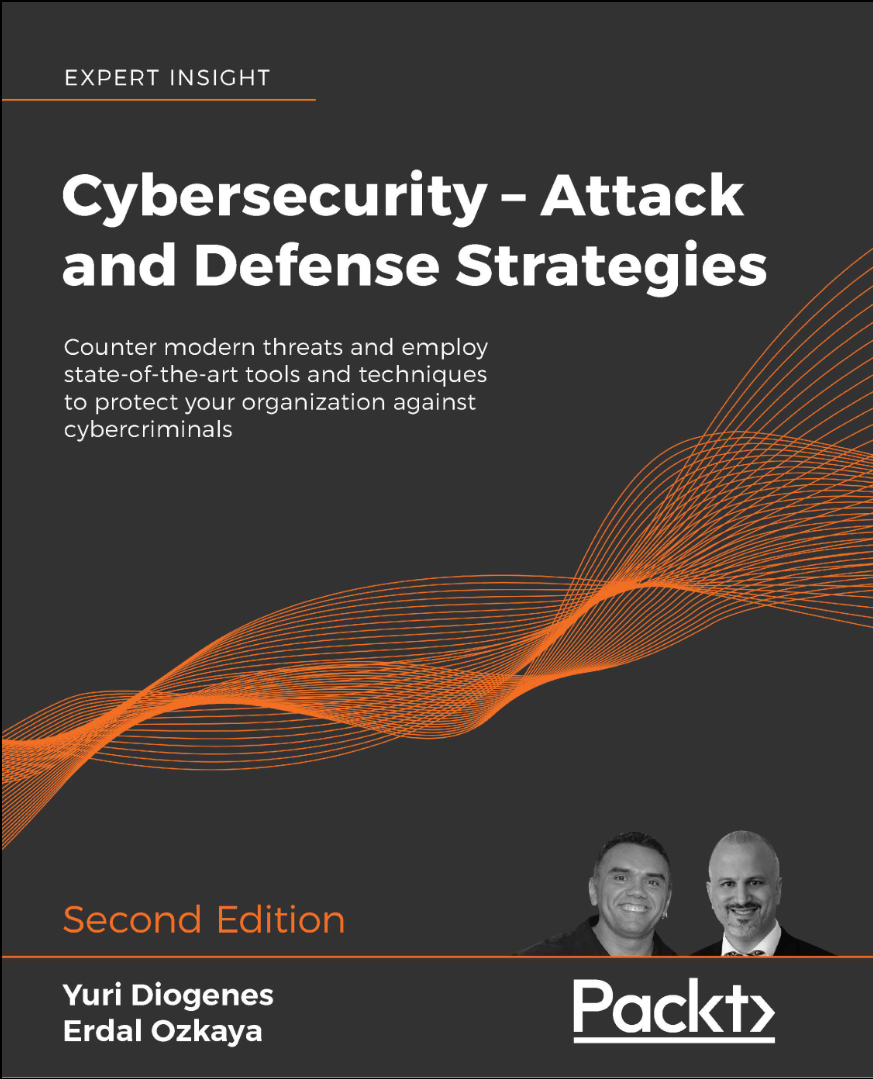
Автор: Diogenes Yuri , Ozkaya Erdal
Дата выхода: 2019
Издательство: Packt Publishing Limited
Количество страниц: 635
Размер файла: 14,5 МБ
Тип файла: PDF
Добавил: codelibs
Проверить на вирусыCover
Table of Contents
Change History
Beta 9—June 9,....2021
Beta 8—April 27,....2021
Beta 7—March 11,....2021
Beta 6—August 11,....2020
Beta 5—June 5,....2020
Beta 4—March 23,....2020
Beta 3—February 9,....2020
Beta 2—December 4,....2019
Beta 1—October 30,....2019
Acknowledgments
So You Want to Write Some Client-Side Code
Basic Assumptions
The Tools We’ll Use
How This Book Is Organized
Let’s Build an App
The Sample Code
Part I—Getting Started
1. Getting Started with Client-Side Rails
Managing State and Front-End Development
Configuring Webpacker
Using Webpacker
What’s Next
2. Hotwire and Turbo
The Hotwire Way
Installing Turbo
What Is Turbo Drive?
Adding Interactivity with Turbo Frames
Navigating Outside a Turbo Frame
Extending Our Page with Turbo Streams
Turbo Frames vs. Turbo Streams
Lazy Loading a Turbo Frame
What’s Next
3. Stimulus
What Is Stimulus?
Installing Stimulus
Adding Our First Controller
Creating an Action
Adding a Target
Using Values
Automating Value Changes
Stimulus Has Class
Going Generic
Stimulus Quick Reference
What’s Next
4. React
What Is React?
Installing React
Adding Our First Component
Composing Components
Connecting to the Page
Interactivity, State, and Hooks
Sharing State
What’s Next
5. Cascading Style Sheets
Building CSS in webpack
Adding CSS and Assets to webpack
Animating CSS
Adding CSS Transitions
Animating Turbo Streams with Animate.css
Using CSS and React Components
What’s Next
Part II—Going Deeper
6. TypeScript
Using TypeScript
Understanding Basic TypeScript Types
Static vs. Dynamic Typing
Adding Type Annotations to Variables
Adding Type Annotations to Functions
Adding Type Annotations to Classes
Defining Interfaces
Type Checking Classes and Interfaces
Getting Type Knowledge to TypeScript
What’s Next
7. webpack
Understanding Why webpack Exists
Managing Dependencies with Yarn
Understanding webpack Configuration
What’s Next
8. Webpacker
Webpacker Basics
Writing Code Using Webpacker
Integrating Webpacker with Frameworks
Running webpack
Deploying Webpacker in Production
Customizing Webpacker
What’s Next
Part III—Managing Servers and State
9. Talking to the Server
Using Stimulus to Manage Forms
Stimulus and Ajax
Using Data in Stimulus
Acquiring Data in React with useState
What’s Next
10. Immediate Communication with ActionCable
Installing ActionCable
Turbo Streams and ActionCable
Stimulus and ActionCable
React and ActionCable
What’s Next
11. Managing State in Stimulus Code
Using Data Values for Logic
Observing and Responding to DOM Changes
Rendering CSS with Data Attributes
What’s Next
12. Managing State in React
Using Reducers
Using Context to Share State
Adding Asynchronous Events to Contexts
What’s Next
13. Using Redux to Manage State
Installing and Using Redux
Adding Asynchronous Actions to Redux
What’s Next
Part IV—Validating Your Code
14. Validating Code with Advanced TypeScript
Creating Union Types
Specifying Types with Literal Types
Using Enums and Literal Types
Building Mapped Types and Utility Types
TypeScript Configuration Options
Dealing with Strictness
What’s Next
15. Testing with Cypress
Why Cypress?
Installing Cypress
Configuring Cypress and Rails
Writing Our First Test
Understanding How Cypress Works
What’s Next
16. More Testing and Troubleshooting
Writing More Cypress Tests
Testing the Schedule Filter
Cypress and React
Cypress Utilities and API
Troubleshooting
What’s Next
A1. Framework Swap
The All-Hotwire App
The All-React App
Comparison
Index
Cybersecurity - Attack and Defense Strategies, Second Edition is a completely revised new edition of the bestselling book, covering the very latest security threats and defense mechanisms including a detailed overview of Cloud Security Posture Management (CSPM) and an assessment of the current threat landscape, with additional focus on new IoT threats and cryptomining.
Cybersecurity starts with the basics that organizations need to know to maintain a secure posture against outside threat and design a robust cybersecurity program. It takes you into the mindset of a Threat Actor to help you better understand the motivation and the steps of performing an actual attack - the Cybersecurity kill chain. You will gain hands-on experience in implementing cybersecurity using new techniques in reconnaissance and chasing a user's identity that will enable you to discover how a system is compromised, and identify and then exploit the vulnerabilities in your own system.
This book also focuses on defense strategies to enhance the security of a system. You will also discover in-depth tools, including Azure Sentinel, to ensure there are security controls in each network layer, and how to carry out the recovery process of a compromised system.
What You Will Learn:
- The importance of having a solid foundation for your security posture
- Use cyber security kill chain to understand the attack strategy
- Boost your organization's cyber resilience by improving your security policies, hardening your network, implementing active sensors, and leveraging threat intelligence
- Utilize the latest defense tools, including Azure Sentinel and Zero Trust Network strategy
- Identify different types of cyberattacks, such as SQL injection, malware and social engineering threats such as phishing emails
- Perform an incident investigation using Azure Security Center and Azure Sentinel
- Get an in-depth understanding of the disaster recovery process
- Understand how to consistently monitor security and implement a vulnerability management strategy for on-premises and hybrid cloud
- Learn how to perform log analysis using the cloud to identify suspicious activities, including logs from Amazon Web Services and Azure
Who this book is for:
For the IT professional venturing into the IT security domain, IT pentesters, security consultants, or those looking to perform ethical hacking. Prior knowledge of penetration testing is beneficial.


