-
1C
-
Agda
-
Agile/Scrum
-
Alef
-
APL
-
Assembler
-
AWK
-
Basic
-
Beta Programming Language
-
Big Data/DataScience
-
C
-
C#
-
C++
-
Cobol
-
Crystal
-
CSS
-
D
-
Dart
-
DataBase (SQL)
-
Delphi
-
F#
-
Flutter
-
Fortran
-
GameDev
-
Git
-
Go (Golang)
-
GPT/AI/ИИ
-
Hacking and Security
-
Haskell
-
HTML
-
Java
-
JavaScript (JS)
-
Julia
-
Kotlin
-
Machine Learning (ML)
-
Natural language processing (NLP)
-
.NET (.NET Core)
-
Pascal
-
PHP
-
Python
-
R
-
Ruby
-
Rust
-
Scratch
-
Swift
-
UML
-
UX/UI
-
Visual Basic
-
Wolfram
-
XML
-
АСУ
-
Проектирование/System Design
-
Сети/Network
-
Статьи
-
Схемотехника/электронные схемы
-
1C
-
Agda
-
Agile/Scrum
-
Alef
-
APL
-
Assembler
-
AWK
-
Basic
-
Beta Programming Language
-
Big Data/DataScience
-
C
-
C#
-
C++
-
Cobol
-
Crystal
-
CSS
-
D
-
Dart
-
DataBase (SQL)
-
Delphi
-
F#
-
Flutter
-
Fortran
-
GameDev
-
Git
-
Go (Golang)
-
GPT/AI/ИИ
-
Hacking and Security
-
Haskell
-
HTML
-
Java
-
JavaScript (JS)
-
Julia
-
Kotlin
-
Machine Learning (ML)
-
Natural language processing (NLP)
-
.NET (.NET Core)
-
Pascal
-
PHP
-
Python
-
R
-
Ruby
-
Rust
-
Scratch
-
Swift
-
UML
-
UX/UI
-
Visual Basic
-
Wolfram
-
XML
-
АСУ
-
Проектирование/System Design
-
Сети/Network
-
Статьи
-
Схемотехника/электронные схемы
Меню
Collaborative Software Design: How to facilitate domain modeling decisions
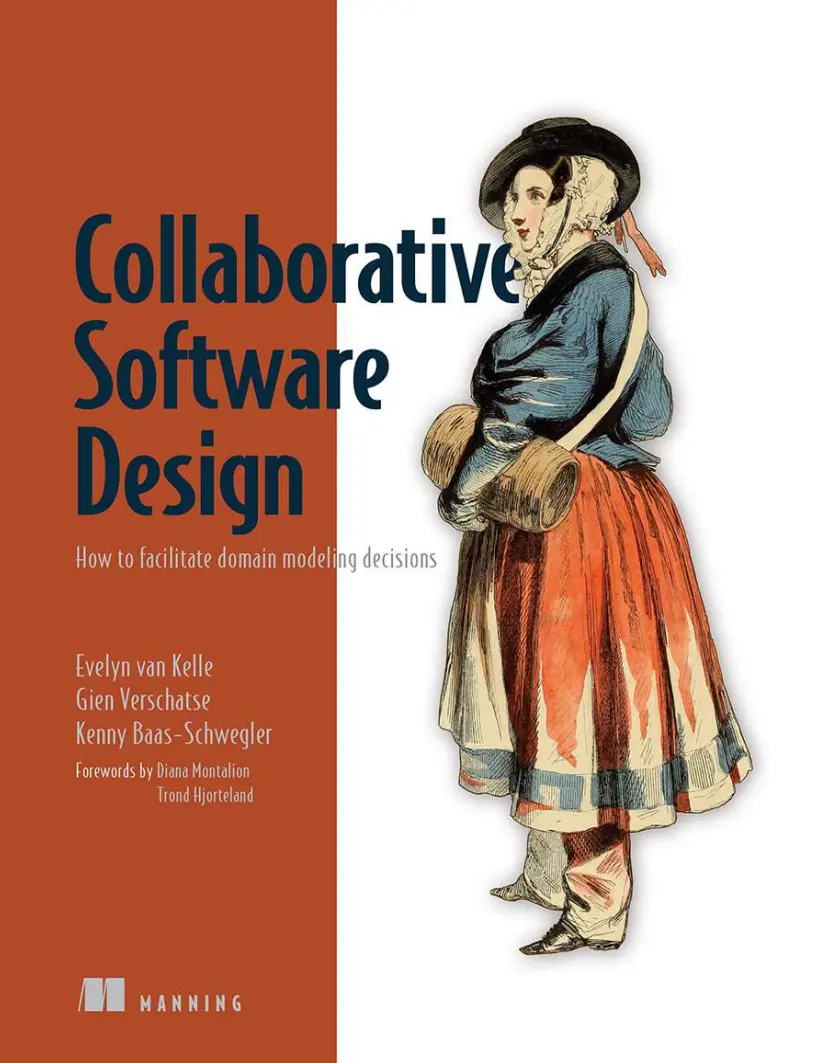
Автор: Baas-Schwegler Kenny , Van Kelle Evelyn , Verschatse Gien
Дата выхода: 2025
Издательство: Manning Publications Co.
Количество страниц: 821
Размер файла: 6,5 МБ
Тип файла: PDF
Добавил: codelibs
Проверить на вирусы Дополнительные материалыContents
Introduction
Section 1: Auditing
What's Covered?
Planning Your Auditing Strategy
Getting Into the Right Mindset
Recording Your Findings
Automated Tooling
PHP Insights
Enlightn
Larastan
Style CI
Code Coverage
Manual Auditing
Investigating "raw" Database Queries
Finding Incorrect Authorisation
Checking Validation
Finding "Fake Facades"
Finding Business Logic in Helpers
Finding N+1 Queries
Finding Controllers That Use Other Controllers
Finding Logic and Queries in Blade Views
Finding Hard-Coded Credentials
Check Open Package Routes
Reviewing Project Documentation
Section 2: Testing
What's Covered?
Planning Your Testing Strategy
The Benefits of Writing Tests
Spotting Bugs Early
Making Future Work and Refactoring Easier
Changing the Way You Approach Writing Code
Tests-As-Documentation
Prove That Bugs Exist
Structuring Your Tests
Directory Structure
Choosing What To Test
Test Structure
Data Providers
Writing the Tests
Prioritising Mission-Critical Tests First
Writing the Rest of the Tests
Benefits of Writing the Easy Tests First
Preventing Test Fatigue
Testing Your UI with Laravel Dusk
Installation
Testing a Simple Form
Dusk Pages and Selectors
Running Failed Tests and Groups
Creating a CI Workflow Using GitHub Actions
Using an .env.ci File
Running the Test Suite
Larastan
Laravel Dusk
Output
Section 3: Fixing
What's Covered?
Planning Your Fixing Strategy
Using an Error Reporting System
Types of Errors
The Benefits of an Automated Error Reporting System
Error Reporting Using Flare
Uptime Checking, Queue Monitoring, and Scheduler Monitoring
Uptime Monitoring with Oh Dear
Scheduler Monitoring with Oh Dear
Queue Monitoring with Oh Dear
Updating PHP, Laravel, and Packages
Upgrading in Small Increments
Automating the Upgrade Using Laravel Shift
Planning Upgrades Early
Using a Suitable Local Development Environment
Using Tests to Fix Bugs
What is Test-Driven Development?
The Advantages of Test-Driven Development
The Disadvantages of Test-Driven Development
Fixing a Real Bug Using Test-Driven Development
Safely Removing Dead Code
Checking the Version Control History
Scream Test
Logging or Reporting the Usage
Removing the Code with an Atomic Commit
Section 4: Improving
What's Covered?
Planning Your Improvement Strategy
Making the Most of PHP's Type System
Using Type Hints and Return Types
Union Types
Type Hints and Return Types in Closures
DRYing Up Your Code
Advantages of DRYing Up Your Code
When to DRY Up Your Code
Refactoring Conditions
Reducing Indented Code
Replacing if and elseif with match
Using the Nullsafe Operator
Using Database Transactions
Adding the Database Transactions
Manually Using Database Transactions
Tips for Interacting with Third-Party Services
Using Automatic or Manual Transactions
Dispatching Queued Jobs inside Database Transactions
Improving the Testability of Your Code
Using Objects Over Arrays
Final Words
Discount Codes
Flare
Oh Dear
StyleCI
Laravel Security In Depth
Emerging practices, collaboration tools, and effective techniques for incorporating your key stakeholders into the software design process.
Don’t spend months building the wrong software! Collaborative Software Design is a unique and practical guide for effectively involving all stakeholders in the design of software to ensure sustainable design decisions.
In Collaborative Software Design you’ll learn how to:
- Prepare and facilitate collaborative modeling sessions with tools such as Business Model Canvas, Event Storming, Domain Storytelling, Example Mapping, and Wardley Mapping
- Pick and apply heuristics for modeling software design
- Techniques for getting all needed knowledge from the group
- The influence of ranking
- The impact and opportunities of cognitive bias
- Resistance and conflict resolution
- Practices for following up after a modeling session
- Document the session and report to stakeholders
About the technology
Delivering high-quality software requires the active participation of all stakeholders in the design process. But how do you align individuals with different roles, perspectives, and priorities to create sustainable software? Collaborative Software Design presents proven strategies that you can use to foster productive decision making, resolve conflicts and uncertainties, and elevate the quality of design outcomes.
About the book
In Collaborative Software Design, you’ll explore principles, techniques, and tools to promote safe communication as you discover business problems, formalize requirements, and implement a software project. It highlights established collaborative modeling tools like Event Storming, Example Mapping, Wardley Mapping, and Domain Storytelling, and introduces unique approaches for managing cognitive biases, conflict, and organizational hierarchy. Whether you’re a business stakeholder, a technical contributor, or a professional facilitator, you’ll learn how to hear and benefit from every voice in the room.
What's inside
- Prepare and lead collaborative modeling sessions
- Turn conflict into innovation
- Make sustainable software design decisions
- Improve software design from a sociotechnical perspective
About the reader
For anyone involved in the software development process.


